Understanding acne treatment
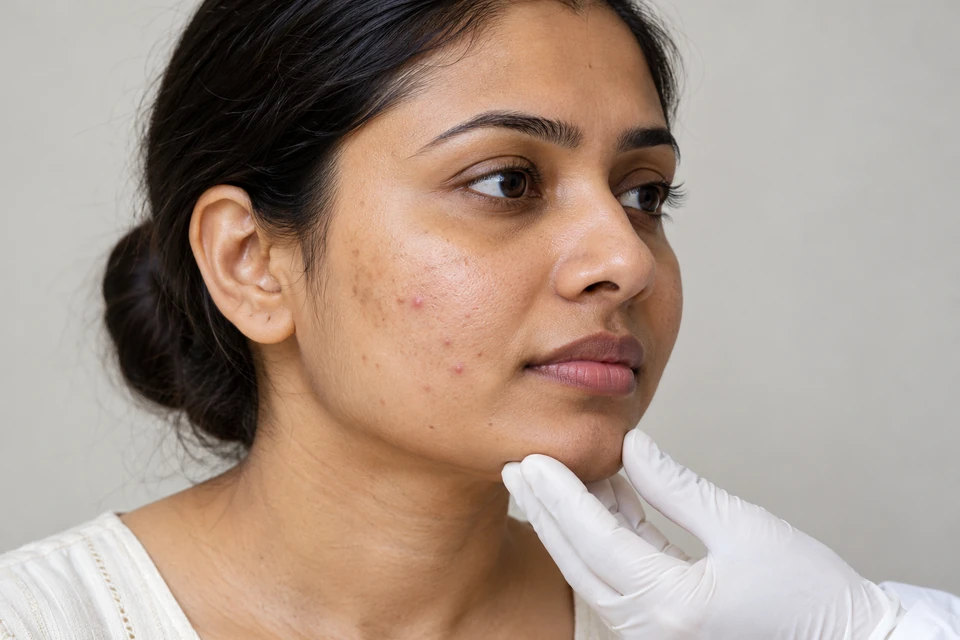
Acne care starts by identifying the kinds of breakouts present and their effect on your skin and daily life. Blackheads, whiteheads, inflamed pimples and deeper lesions do not always respond to the same approach. The face, chest and back may also need different practical routines. Tell the specialist if breakouts are painful, leave marks or scars, affect confidence or keep returning despite treatment. You do not need to wait until acne feels severe before asking for a proper assessment.
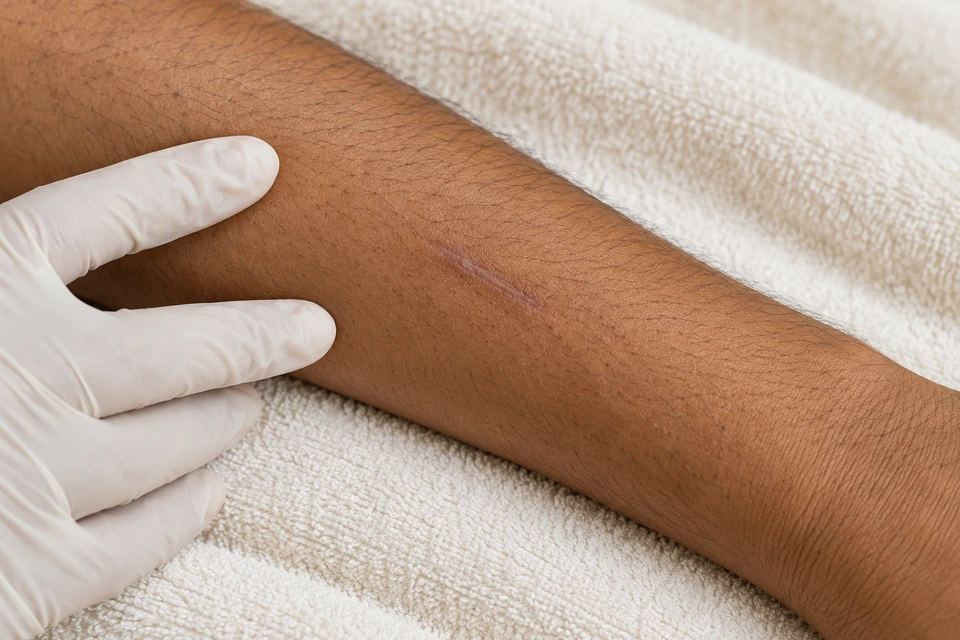
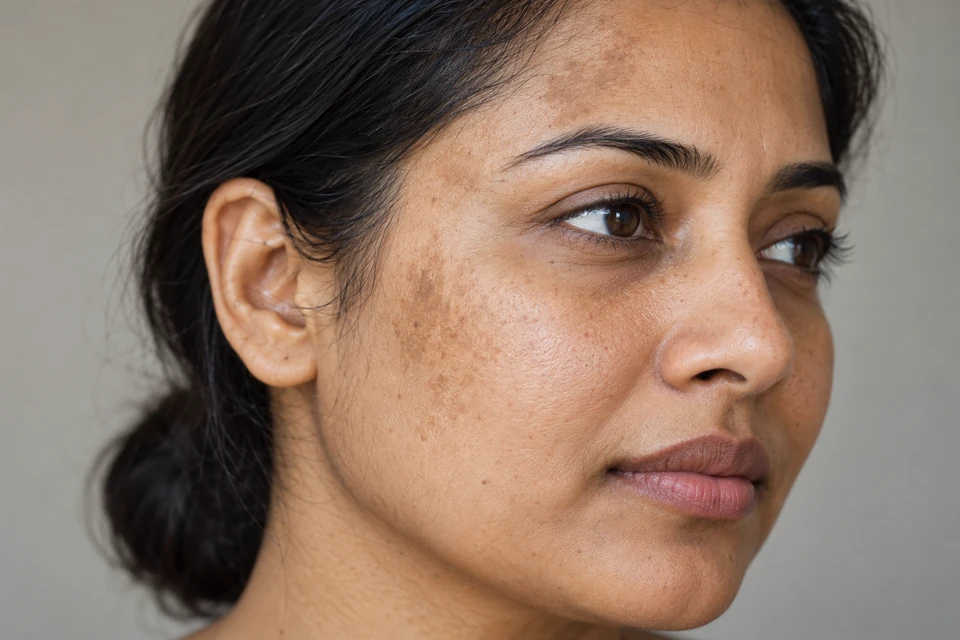
An acne plan should distinguish active breakouts from the marks and texture changes that remain afterwards. Treating existing scars will not necessarily prevent new acne, and treating acne will not automatically remove an established indentation. Clarifying those goals helps avoid spending on the wrong stage of care. The specialist may discuss different treatment options according to the pattern, severity and medical history. This page does not prescribe a product or medicine because pregnancy plans, other medicines and previous reactions can change what is appropriate.
Could this be right for you?
Who it may suit
- People with recurring blackheads, whiteheads or inflamed breakouts.
- Those with painful lesions, persistent marks or acne that has not settled with their current routine.
What your assessment should cover
- Discuss face and body acne, duration, medicines, previous prescriptions and effects on daily life.
- Tell the specialist if you are pregnant, breastfeeding or planning pregnancy before treatment is selected.
How the care pathway works
Assess active acne
The clinician considers the lesion types and severity and whether scarring is developing.
Choose a practical routine
Treatment may involve medicines applied to the skin or other prescribed options, plus a manageable skin-care routine.
Review and adjust
Agree on when to review response, side effects and adherence before changing or adding treatment.
What is happening inside an acne-prone follicle
Acne develops around a hair follicle and its oil gland. A build-up of oil and shed cells can block the opening; inflammation then contributes to red or tender spots. Blackheads and whiteheads are blocked pores, while deeper painful lesions involve more inflammation. This helps explain why a routine aimed only at surface cleansing may not control persistent acne.
Acne is not evidence that someone has failed to wash properly. Harsh scrubbing can add irritation without addressing the underlying process. A few persistent deep lesions may deserve more attention than a larger number of small blocked pores because pain and scarring risk matter alongside the visible count.
How different treatments address different problems
Topical medicines can help prevent blocked pores, reduce inflammation or target bacteria involved in acne. They may be combined because these mechanisms overlap. A prescription should explain its role in the plan, how tolerance will be checked and which other products are unnecessary. Strength alone is a poor way to compare two regimens.
More inflammatory or persistent acne may need oral treatment, while hormonal patterns can influence the options considered. Severe acne may warrant specialist treatment and monitoring. Pregnancy, pregnancy planning, other medicines and previous adverse reactions affect which medicines are appropriate. These choices should follow assessment rather than an online package selector.
When acne-like bumps need a different approach
Not every bump is acne. Folliculitis and perioral dermatitis can resemble it, so the location, symptoms and evolution of the eruption matter. A record of whether bumps itch, hurt, appear after a new product or cluster around the mouth is useful. Examination can prevent weeks spent intensifying the wrong treatment.
Acne can also affect the chest, back and shoulders. A plan should identify every area that matters to you, rather than assume the face is the only concern. Hair oils, occlusive products and repeated friction are worth discussing when their use coincides with breakouts; the aim is to find relevant patterns rather than blame every everyday habit.
What a useful review should measure
Count fewer new inflamed spots, reduced tenderness and better tolerance of the routine as progress, even if old marks remain. Colour changes left after acne can outlast the active breakout and need separate expectations. Switching products every few days makes it difficult to know what helped or caused irritation.
The first estimate should distinguish consultation and medicines from optional procedures and later scar treatment. Acne control and scar correction are different pieces of care. For students, shift workers or anyone travelling regularly, a simple plan that can be followed consistently is more practical than a crowded routine with unclear instructions.
The stages of your care
Starting point
Identify lesion types, affected areas, previous treatments and any scarring; establish a routine that is feasible.
Early response
AAD guidance notes that fewer breakouts often become apparent after at least six to eight weeks. This is a general expectation, not a personal clearance promise.
Review and prevention
Review response and side effects, then adjust or maintain care. Persistent marks and scars may need a separate plan after active acne is controlled.
Preparing, and looking after yourself afterwards
Before your appointment
- Bring a list of products and how often you use each one.
- Mention reactions to previous acne medicines and any treatment you stopped early.
Aftercare and follow-up
- Use the prescribed routine as directed and ask before combining additional actives.
- Avoid picking spots and discuss persistent irritation or worsening symptoms with the clinic.
Risks and honest limits
- Improvement takes time; a single facial or peel is not a substitute for managing ongoing acne.
- Treatment choices have different precautions and side effects. Acne scars may need a separate plan after active acne is controlled.
Questions to help you decide
Review what you have already tried
Bring names or photographs of cleansers, creams, spot treatments and previous prescriptions. Note how long you used each, whether the whole affected area or only individual spots was treated, and why you stopped. This is useful context for assessing a treatment experience. A product that was too irritating or difficult to use needs a different discussion from one used consistently without benefit. Include salon treatments and home remedies so the whole routine can be considered.
Balance effectiveness with tolerability
Ask for a simple written routine that identifies each product’s purpose and how to respond to irritation. Understand when progress should be reviewed and which changes should prompt earlier contact. If oral treatment is proposed, discuss its particular precautions and monitoring rather than assuming all acne medicines are interchangeable. A workable routine fits into your morning and evening; it does not require collecting multiple products with overlapping claims or making frequent unsupervised changes.
Plan for marks without losing focus
If your priority is the colour left after a breakout, show both the old marks and any new acne at the appointment. In skin prone to pigment changes, irritation from unsuitable procedures can create additional concerns. Ask how the plan will prevent new lesions while addressing existing marks, and when scar treatment would be considered. Progress should be reviewed using your own starting point, not compared with filtered skin or someone else’s treatment photographs.
Common questions about acne treatment
Are acne marks and acne scars the same?
No. Colour changes and changes in skin texture need different assessments. Explain both concerns at your visit.
Will I need a procedure?
Not necessarily. The specialist should explain whether medicine and routine changes are the better starting point.
Can I keep using my current products?
Bring the names so the specialist can advise which to continue, pause or replace.
Should I treat acne or scars first?
The plan should account for both, but controlling ongoing acne is important when new lesions continue to appear. Ask which changes are active acne, which are flat marks and which are scars. The sequence can then address the reasons new marks or scars may keep developing.
Why are follow-up visits useful if I already have a prescription?
A review allows the clinician to assess response, side effects and whether you can use the routine consistently. It is also a chance to raise new concerns or relevant medical changes. Bring your questions and current products rather than changing several treatments just before the review.
Sources and further reading
General patient information. Your treating clinician should confirm which advice applies to you.