Understanding non-surgical hair replacement
A hair replacement system offers cosmetic coverage without moving follicles or stimulating new growth. It can be considered independently of whether you want medical treatment for hair loss. The most useful consultation explores how you want your hair to look and what daily upkeep you can realistically manage. Coverage, hairline visibility, comfort and maintenance are separate priorities. Someone who mainly wants coverage for social occasions may prefer a different arrangement from someone who wants to wear a system through a full working week.
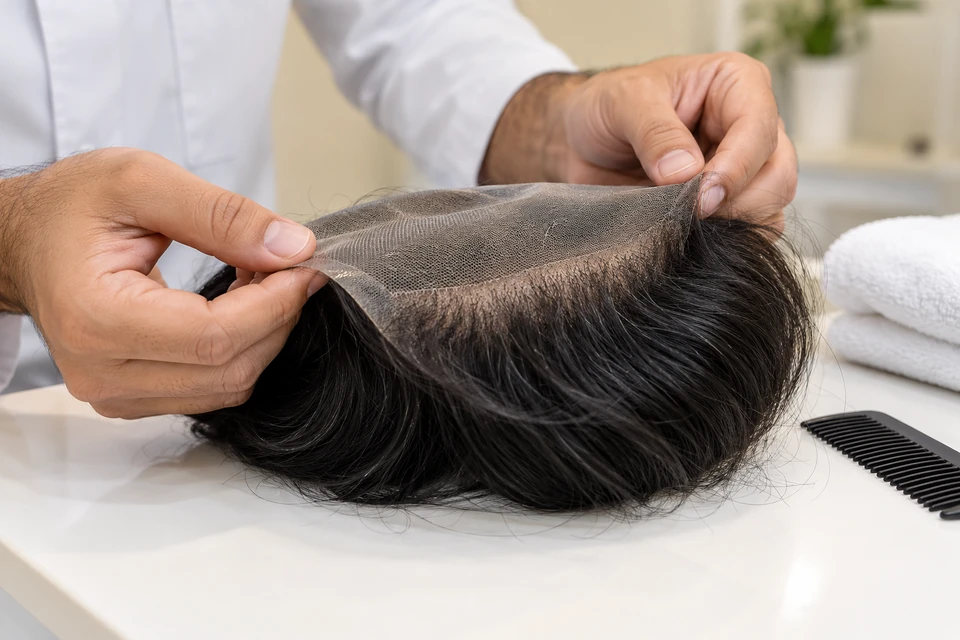
Hair systems differ in base construction, hair material, attachment and styling possibilities. Ask to inspect the actual option being proposed rather than relying only on catalogue photographs. Pay attention to the hairline, parting, colour match and appearance in ordinary daylight. Matching your preferred look does not require copying a very dense hairstyle that feels unfamiliar. A realistic discussion should include how the system changes with wear and what future replacement or servicing may involve, without promising a universal lifespan.
Could this be right for you?
Who it may suit
- People who want to explore visible coverage without transplant surgery.
- Those comfortable with the cleaning, refitting and replacement responsibilities of a hair system.
What your assessment should cover
- Discuss your preferred density, hair colour, styling and hairline, including what looks natural in daylight.
- Ask about attachment materials, scalp sensitivity, sweating, swimming, helmet use and maintenance access.
How the care pathway works
Choose the system
Compare material, coverage area and density in person. Ask what is included in fitting and styling.
Fit and finish
The provider should explain attachment, comfort checks and how the system blends with existing hair.
Maintain it
Agree on a written cleaning, refitting and replacement plan rather than considering only the first appointment.
Hair systems, wigs and fibres are different choices
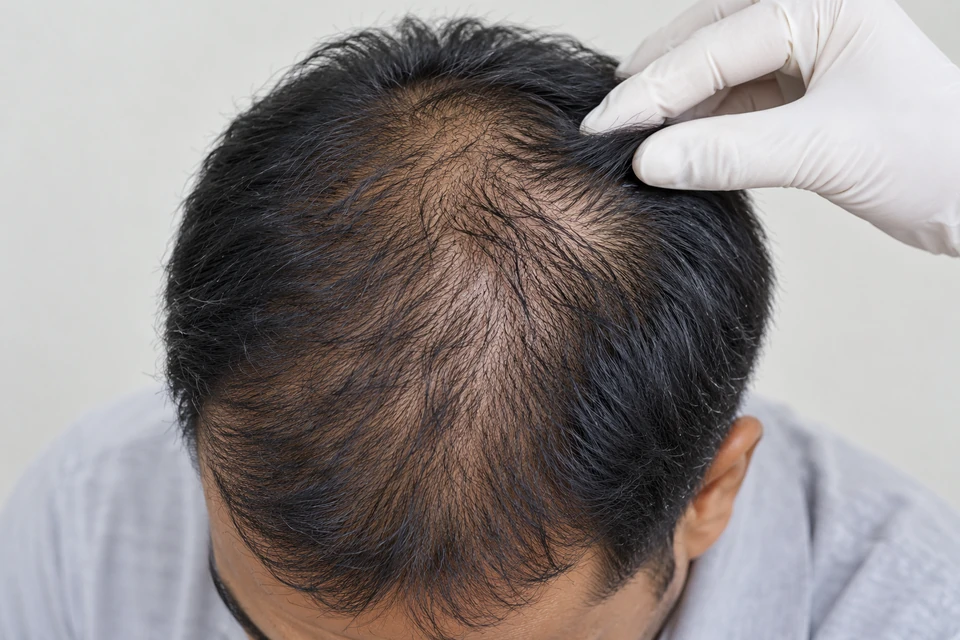
Cosmetic coverage can be tailored to the amount and distribution of visible hair loss. A full wig covers the whole scalp, while a hairpiece or system can cover a selected area. Hair fibres are another option: they attach to existing hair to make it appear fuller, so they are less useful for a large area with no hair to hold them. None of these methods creates follicles or treats the cause of loss.
Synthetic and human-hair pieces have different care requirements and styling possibilities. Human hair may offer flexibility, but it is not automatically the best fit for every budget or routine. Synthetic options can be convenient for some wearers. The exact product, base, density and fit matter more than a broad material label. A consultation should allow you to consider appearance, comfort and upkeep as separate criteria.
What a careful fitting needs to resolve
The consultation should establish the area to cover, the desired hairline and how the piece will blend with your own hair. Colour, curl, length and density affect the overall result. Looking at the system from the front, sides and above in ordinary light gives a more useful impression than one styled photograph. The goal can be a modest increase in fullness; maximum density is not necessary for a convincing personal style.
Attachment may involve clips, tapes, adhesives or another product-specific method. These are not interchangeable for every scalp and pattern of remaining hair. A fitting should explain contact points, removal and routine servicing. Tightness, persistent itching or a sore area should not be accepted as the normal price of wearing a system. If the scalp is irritated or inflamed, that concern needs assessment before repeated attachment over the same area.
The real commitment is care over time
Think through a normal week: washing, drying, sleep, exercise, a two-wheeler commute, travel and storage when the piece is not worn. Heat tolerance and product compatibility depend on the actual system. Follow its care instructions rather than assuming that any hair tool or cosmetic is suitable. A practical demonstration and written care sheet are more useful than a general promise that maintenance is effortless.
In India, compare the purchase price with recurring fitting, cleaning, attachment supplies, styling and eventual replacement costs. Establish which adjustments are included and what the warranty covers. A replacement interval cannot be promised without reference to the product and wear. An occasional-use piece and a daily-wear system may make different financial sense. Cosmetic coverage can be used while considering medical options, or simply chosen as the approach that best fits your preferences.
The stages of your care
Selection and fitting
Agree the coverage, material, appearance, attachment and total maintenance requirements before purchasing.
Learning daily care
Practise the product-specific washing, styling, removal and storage routine. Arrange a fit review if comfort or attachment is not satisfactory.
Ongoing upkeep
Servicing and replacement depend on the actual product and wear. Review the scalp as well as the appearance, and keep care instructions available when travelling.
Preparing, and looking after yourself afterwards
Before your appointment
- Bring reference photos for density and style, without expecting an identical result.
- Mention scalp irritation or previous reactions to adhesives, dyes and hair products.
Aftercare and follow-up
- Follow instructions for cleaning the system and underlying scalp.
- Arrange a review for persistent irritation, odour, lifting or poor fit rather than repeatedly reattaching an uncomfortable system.
Risks and honest limits
- This is cosmetic coverage, not treatment for the underlying condition.
- Appearance, comfort and wear time vary with the system and upkeep; recurring costs should be discussed.
Questions to help you decide
Test the fit against your routine
Discuss your usual commute, exercise, helmet use, swimming, washing habits and any travel between cities. These are practical fitting questions, not assumptions about what every system can tolerate. Ask which activities need extra care and whether the proposed attachment suits them. If you wear a system for long periods, understand how the scalp can be checked and cleaned. Comfort during a short demonstration does not answer every question about everyday wear.
Make upkeep part of the decision
Clarify what you can do at home and which tasks require a visit. Ask for a demonstration of cleaning, drying, styling and safe removal for the proposed system. Establish how to get help if an edge lifts or the fit becomes uncomfortable. A system may be a useful cosmetic choice, but maintenance is part of the commitment. Compare the total expected upkeep and replacement costs rather than treating the initial purchase as the entire expense.
Keep scalp health in view
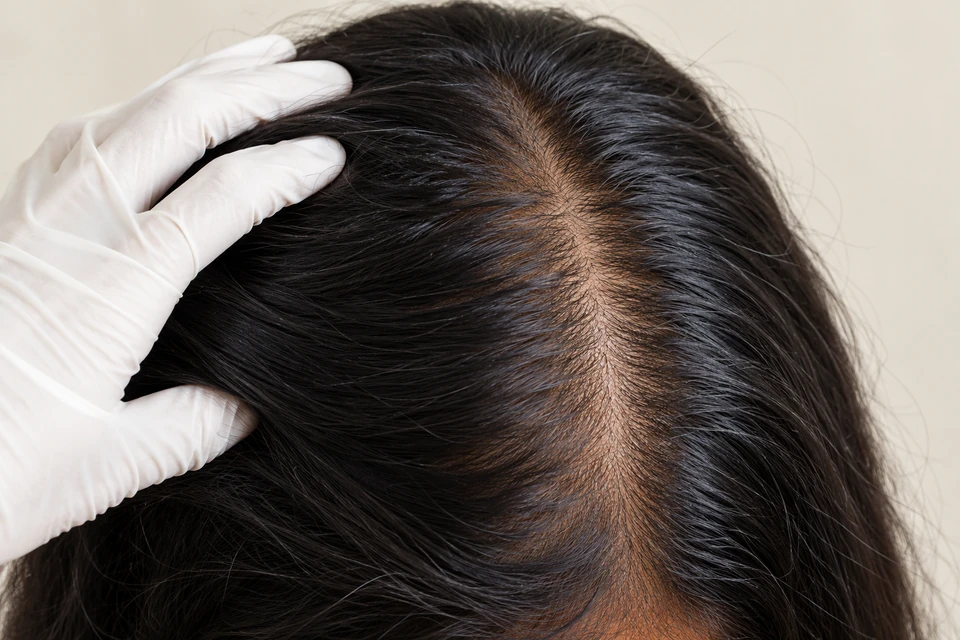
Tell the clinician or fitter about itching, irritation, scaling, wounds or previous reactions to adhesives and hair products. A cosmetic covering should not become a reason to ignore a new scalp problem. If symptoms develop, seek advice about the scalp and the attachment rather than repeatedly adding products. When a medical diagnosis is still uncertain, you can ask how assessment and cosmetic coverage can be coordinated without assuming that one replaces the other.
Common questions about non-surgical hair replacement
Does a hair system regrow my own hair?
No. It provides coverage. A separate scalp assessment may still be useful if hair loss is changing.
Can I wear it while exercising?
Ask about the particular system and attachment method, including sweat, heat and any activities that require adjustments.
What should I compare before purchasing?
Compare the initial fit, materials, upkeep, replacement costs and the support available if it is uncomfortable.
Will a hair system treat the cause of my hair loss?
No. It changes the appearance of coverage while it is worn. You may still want an assessment of the underlying hair loss, especially if the change is recent or accompanied by scalp symptoms. Cosmetic coverage and medical care can have different goals.
How do I compare two replacement options?
Compare the actual material, attachment, fit, appearance, care instructions and continuing costs. Request clear terms for adjustments, servicing and replacement. The more suitable choice is the one that meets your preferences and maintenance needs, not simply the one described as most advanced.
Sources and further reading
General patient information. Your treating clinician should confirm which advice applies to you.