Two very different routes
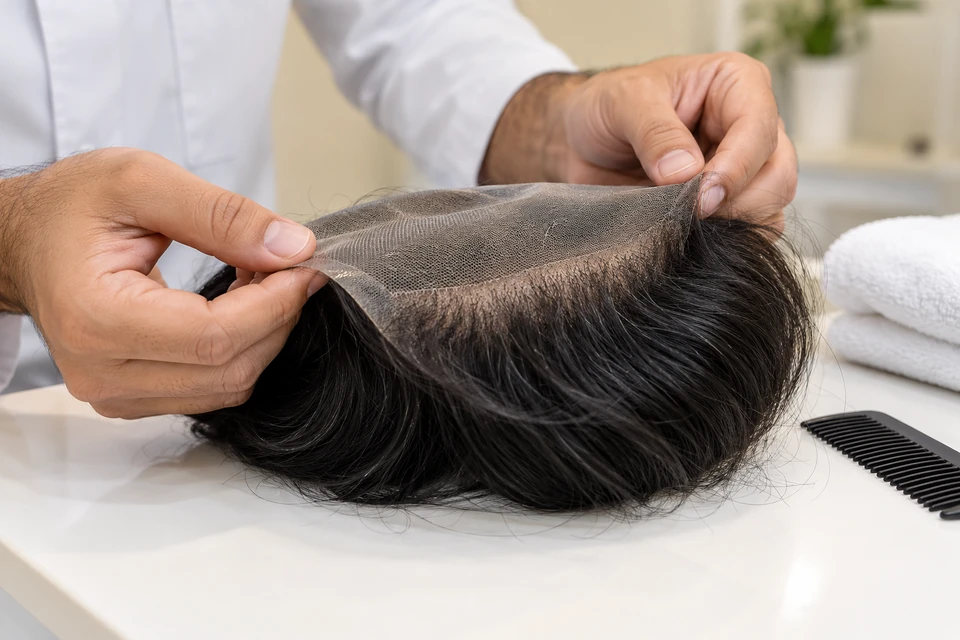
A non-surgical hair system is a thin base with hair attached, fitted and bonded to the scalp. Coverage is immediate and the hairline can be designed to suit you. It needs maintenance every few weeks, and the unit itself is replaced from time to time.
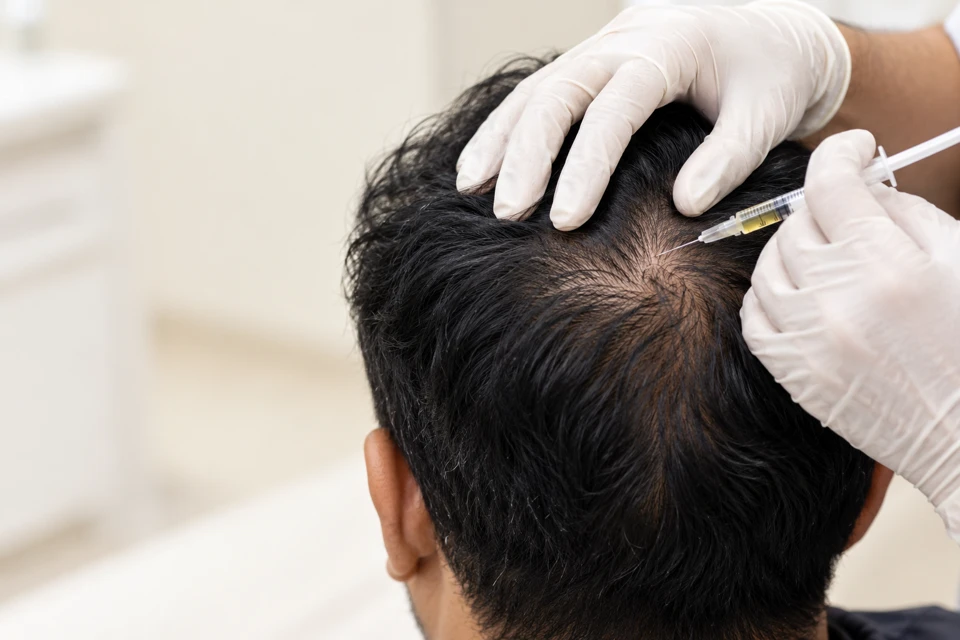
A hair transplant moves follicles from a donor area, usually the back of the head, to areas of loss. It is a surgical procedure. Transplanted hair typically sheds and then regrows gradually, so the final look can take nine to twelve months to judge.
What decides it for most people
- Donor supply: a transplant depends on having enough healthy donor hair for the area you want covered.
- Timeline: a system works on the day; a transplant needs patience.
- Cost pattern: a system has ongoing maintenance costs; a transplant has a larger upfront cost, and may still need medicine to protect the hair you have.
- Lifestyle: swimming, contact sport and heavy sweating affect system upkeep; surgery needs recovery time off some activities.
- Stability of your hair loss: if loss is still progressing, a transplant plan has to allow for future thinning around it.
They are not mutually exclusive
Some people use a system while they decide, or while loss stabilises. Others combine a transplant with medical treatment and later sessions. A consultation should map your likely future pattern, not only what you see in the mirror today.
Questions to ask
- How much usable donor hair do I have, and how many grafts would my plan need?
- What does a year of system maintenance cost, all in?
- Who performs each step of the transplant, and what follow-up is included?
- What happens to the hair around the transplanted area over the next ten years?
This article is general information from the Cosmo Looks team. It is not a diagnosis or a substitute for an individual consultation.