Understanding laser hair reduction
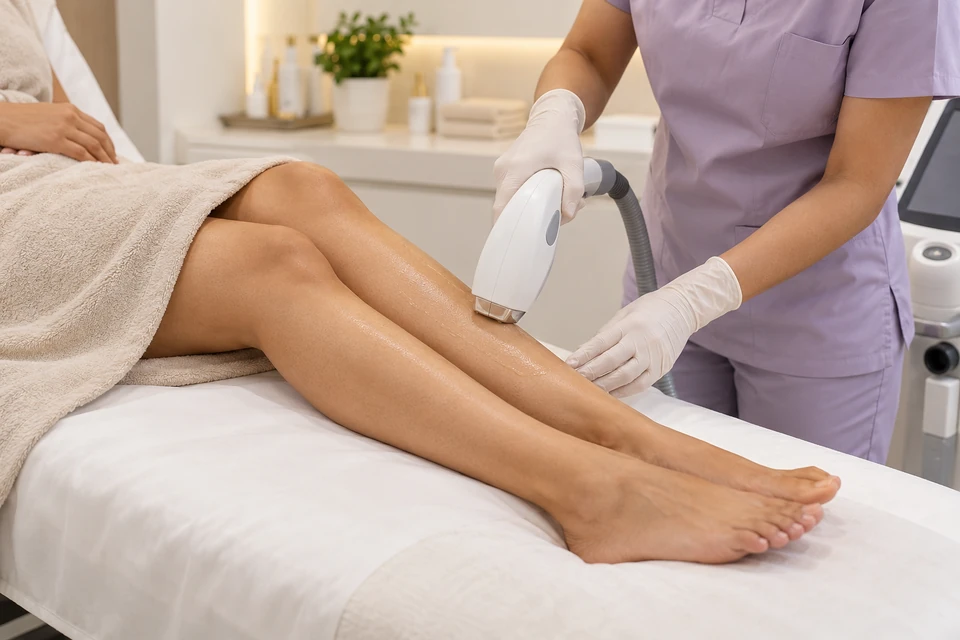
Laser hair reduction uses light energy to target pigment in hair. The combination of hair colour, thickness, skin characteristics and treatment area affects suitability. It should be discussed as reduction over time rather than a promise that every hair will be permanently removed. White, grey and other very lightly coloured hair can be poor targets. An examination helps distinguish a concern that may respond to laser from one that needs another approach, even when both appear in the same body area.
Treatment planning should include your recent sun exposure, previous reactions and any medicines or skin conditions relevant to the area. Skin tone alone is not a complete assessment. Ask about the proposed device, the treating practitioner’s experience with your skin characteristics and whether a test area is appropriate. Protective eyewear and appropriate precautions are part of the treatment discussion. This website does not confirm a device model or claim that one setting is suitable for every person, body site or visit.
Could this be right for you?
Who it may suit
- People looking to reduce repeated shaving or other unwanted-hair maintenance.
- A clinician should assess the treatment area and whether the hair can respond to the proposed laser.
What your assessment should cover
- Mention recent tanning, skin reactions, medicines, scarring history and previous laser treatment.
- Ask about experience treating your skin tone, eye protection and whether a test area is appropriate.
How the care pathway works
Assess skin and hair
The chosen method should reflect hair characteristics and the skin in the treatment area.
Prepare the area
Follow clinic instructions about hair removal beforehand and which products to avoid on treatment day.
Treat and review
The practitioner treats the selected area, explains expected skin reactions and schedules review around your response.
Why hair colour and growth stage affect the result
Laser hair reduction uses light energy directed at pigment in the hair. This means a dark, coarse hair presents a different target from a fine, pale hair. White, grey and very light hairs may respond poorly because they contain little target pigment. A realistic assessment begins with the hair you actually have, rather than an advertised full-body result.
Hairs do not all move through their growth cycle together. A course of treatment addresses successive groups of suitable hairs, which is why one session is not a substitute for a planned series. The interval should reflect the body area and response; treating more frequently is not automatically more effective.
Skin tone is part of device and setting selection
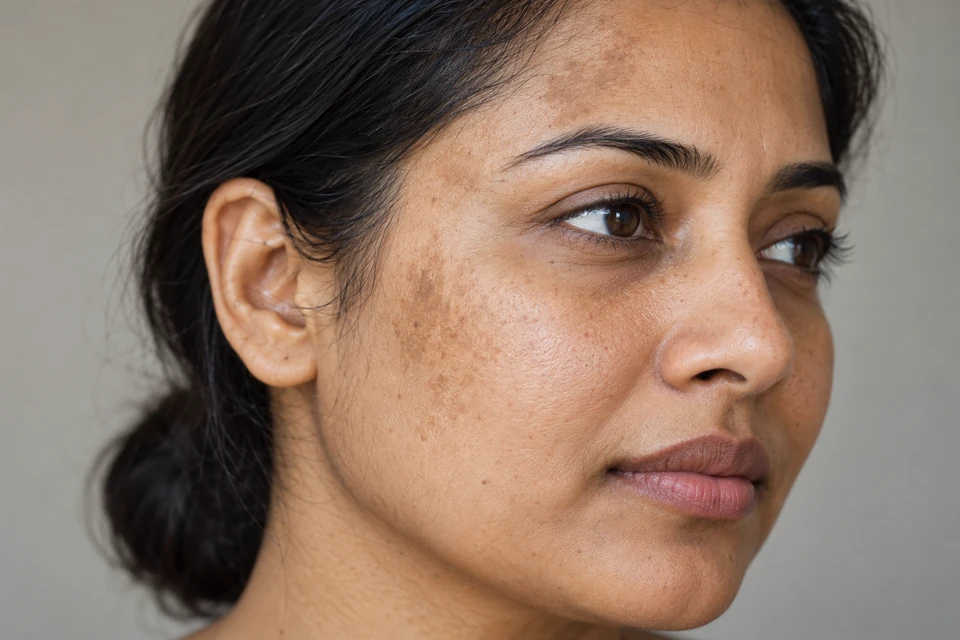
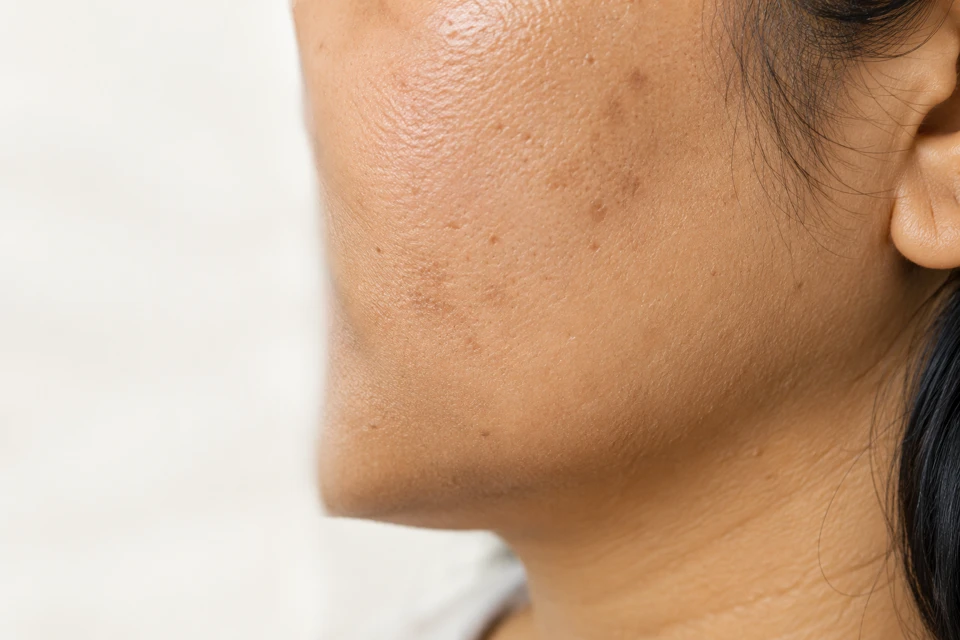
The skin also contains pigment, so treatment must balance effects on the hair with protection of the surrounding skin. An experienced practitioner considers your natural complexion, recent tanning, hair thickness and any previous reaction. The same settings should not be assumed suitable for every body area or every person.
A test area may help assess the response when clinically appropriate, but it cannot guarantee that a full treatment will have no side effects. A history of pigment changes or scarring is relevant. These are reasons for an individual assessment, not reasons to assume that people with deeper skin tones cannot have laser treatment.
Define the treatment area before comparing packages
Full body can mean different things in different packages. A useful estimate names the included areas, how appointments are divided, the planned review points and how additional sessions are priced. Facial hair needs its own expectations, particularly when hormonal influences can lead to ongoing growth. New or rapidly changing growth may need assessment of the cause.
The goal may be less frequent shaving, fewer visible coarse hairs or easier maintenance. These goals are easier to measure than a promise of permanently hairless skin. Compare the density and regrowth pattern over time, using the same area as a reference, rather than judging only how smooth the skin feels immediately after a visit.
Keep preparation and aftercare practical
Preparation instructions may include how to manage hair between appointments and when to avoid tanning or particular products. Share your medicines, previous reactions and upcoming travel. The clinic should provide instructions for the actual device and area, so avoid copying a preparation checklist from an unrelated treatment.
Temporary redness, swelling and discomfort can occur. Blisters, skin injury or persistent colour change need clinical review. For outdoor commuting, sport or a beach holiday, discuss timing before booking. A longer-term estimate should include any maintenance visits, because regrowth and the need for top-ups vary between people and body areas.
The stages of your care
Before the course
Assess hair and skin characteristics, define the areas and agree preparation and protection.
During the course
Several sessions are usually needed. Body area, hair growth and response influence spacing and the eventual number; no fixed package ensures the same result for everyone.
After the initial course
Review the remaining hair and decide whether maintenance is worthwhile. Facial hair may require ongoing management.
Preparing, and looking after yourself afterwards
Before your appointment
- Avoid tanning and tell the clinic about recent sun exposure.
- Get clear instructions about shaving, waxing and plucking before your appointment.
Aftercare and follow-up
- Follow the clinic’s cooling, skin-care and sun-protection guidance.
- Report blistering, marked pain or concerning skin changes to the treating clinic.
Risks and honest limits
- Redness or swelling may occur; burns, pigment changes and scarring are possible risks.
- Light-coloured hair can respond poorly. Additional or maintenance treatments may be needed.
Questions to help you decide
Define the area before comparing packages
Clarify exactly which boundaries are included, especially for the face, neck, bikini area or a package described as full body. Ask about privacy, who will perform the procedure and how consent will be handled for sensitive areas. For facial hair, describe the distribution and whether the pattern has changed. A clear plan identifies the areas that can be treated, the areas that should be avoided and what will be reviewed before subsequent appointments.
Schedule around your actual exposure
Tell the clinic about outdoor work, planned travel and recent tanning before booking a course. Ask how to prepare the hair between sessions and which removal methods should be avoided. Do not assume instructions for shaving, waxing and plucking are interchangeable. The schedule should be based on the treating team’s assessment, including skin recovery and the body area. Booking several sessions in advance should still allow the plan to change when the skin needs a review.
Understand reduction and maintenance
Agree how progress will be judged, such as changes in visible hair and the frequency of your usual removal routine. Some regrowth and later maintenance may be relevant. Ask what the quoted course includes and whether additional visits are charged separately. Redness or discomfort after a session does not by itself measure effectiveness. If the response is less than expected, review the hair characteristics and treatment plan rather than automatically adding sessions without an explanation.
Common questions about laser hair reduction
Is it suitable for darker Indian skin tones?
It may be, but device choice, settings and practitioner experience matter. Request an individual assessment.
Is one session enough?
A course is usually discussed because hair growth and response vary. Ask for a realistic plan for your area.
Will it work on grey hair?
Laser does not effectively target very light hair in the same way as darker hair. Ask about suitable alternatives.
Can I resume normal activities immediately?
It depends on the area, your skin’s response and the aftercare instructions. Ask specifically about exercise, heat exposure, skincare products and sun exposure. Plan an appointment when you can follow those instructions, rather than relying on a general promise that no adjustment to your day is needed.
What reactions should I discuss before starting?
Temporary redness or swelling can occur. Burns, pigment changes and scarring are possible complications that should also be discussed. Ask how to recognize an unexpected reaction, whom to contact and how an examination will be arranged if recovery does not follow the expected course.
Sources and further reading
General patient information. Your treating clinician should confirm which advice applies to you.