How it works
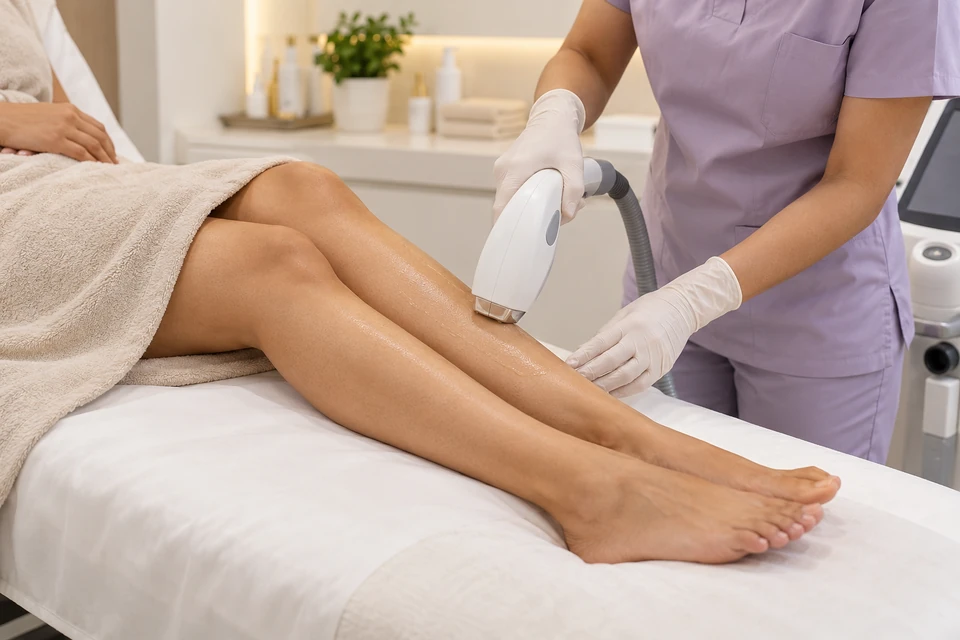
Laser targets the pigment in the hair root. Heat from the light disables follicles that are in their active growth phase, which is why a course of sessions is needed: not every hair is growing at the same time. The aim is lasting reduction, not guaranteed permanent removal.
Why skin tone matters
The skin also contains pigment, so the device and settings must be chosen to treat the hair while protecting the skin. For deeper skin tones, longer wavelengths and careful settings are generally preferred. A patch test on a small area before a full session is a sensible step.
Laser works poorly on white, grey or very light hair, because there is little pigment for the light to target.
Preparing for a session
- Shave the area as advised, but stop waxing, threading and plucking for the period your clinic recommends, because the root needs to be present.
- Avoid tanning and strong sun on the area before and after treatment.
- Tell the team about medicines, recent peels, and any history of pigmentation or keloid scarring.
- Expect sessions spaced several weeks apart, with the interval depending on the body area.
Realistic expectations
Mild redness and warmth for a few hours is common. Less commonly, temporary darkening or lightening of the skin can occur, which is one reason settings and aftercare matter. Hormonal conditions such as PCOS can mean new hair growth continues, so occasional maintenance sessions may be needed.
Questions to ask
- Which device and settings suit my skin tone, and will you patch test first?
- How many sessions should I expect for this area?
- What should I do if my skin darkens after a session?
- What does the full course cost, including any maintenance?
This article is general information from the Cosmo Looks team. It is not a diagnosis or a substitute for an individual consultation.