Understanding PRP hair treatment
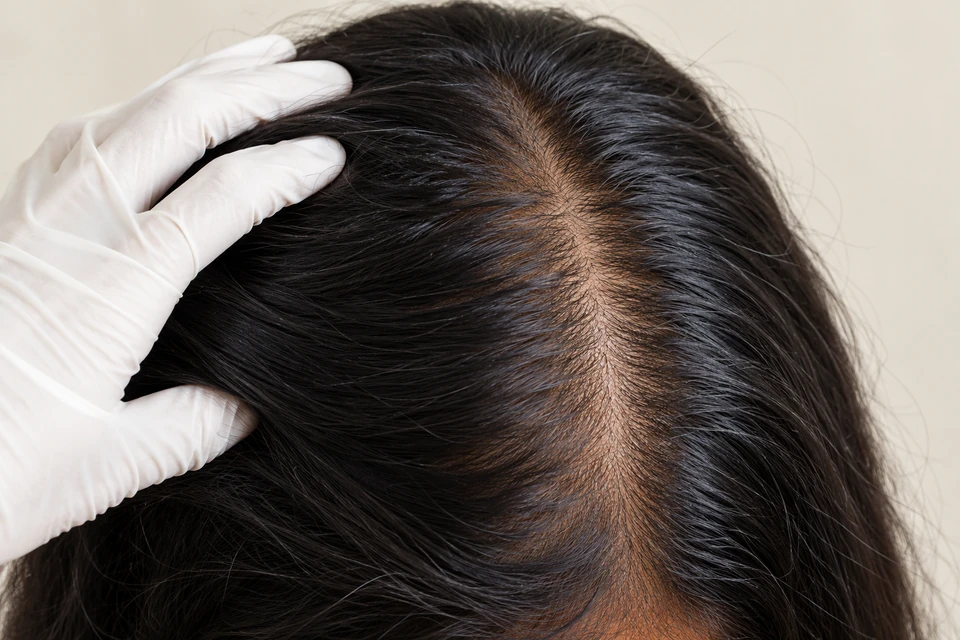
The useful starting question is what is causing the thinning. A scalp injection cannot be selected sensibly from a package name or a photograph alone. Gradual pattern hair loss, increased shedding and inflamed scalp conditions can require different plans. PRP is therefore best discussed as one possible part of a diagnosis-led approach, with the reason for choosing it explained in ordinary language. Your own priorities matter too: improving visible density, reducing concern about progression and avoiding surgery are different goals.
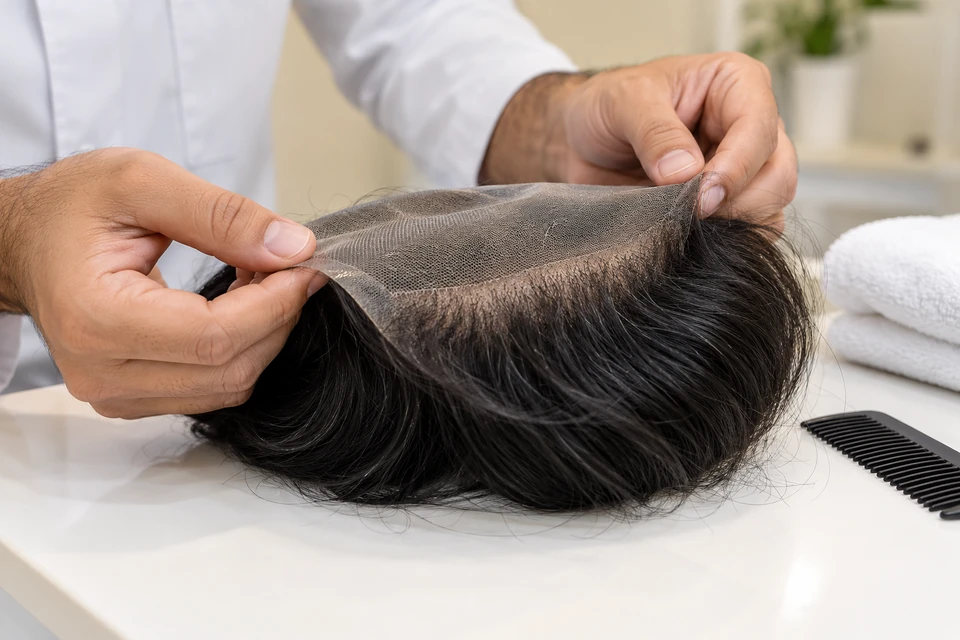
PRP preparation concentrates a component of your blood that contains platelets. The treatment is intended to support existing follicles; it does not place new follicles into a bare area. This distinction helps set expectations when comparing it with transplantation or a cosmetic hair system. Published evidence and clinical protocols are not identical across all patients or preparation methods. A convincing consultation should describe the uncertainty alongside the potential benefit, rather than using the phrase natural treatment as a substitute for discussing risks.
Could this be right for you?
Who it may suit
- People seeking an assessment of gradual thinning rather than immediate cosmetic coverage.
- Suitability depends on the cause of hair loss, not simply how much hair is visible in a photograph.
What your assessment should cover
- Discuss the pattern and duration of thinning, previous treatment and your goals.
- Share medicines, supplements, bleeding concerns and relevant medical history before a blood draw or injections.
How the care pathway works
Assess the scalp
The first decision is whether PRP is appropriate for the diagnosed concern. Ask how your starting point will be recorded.
Prepare and treat
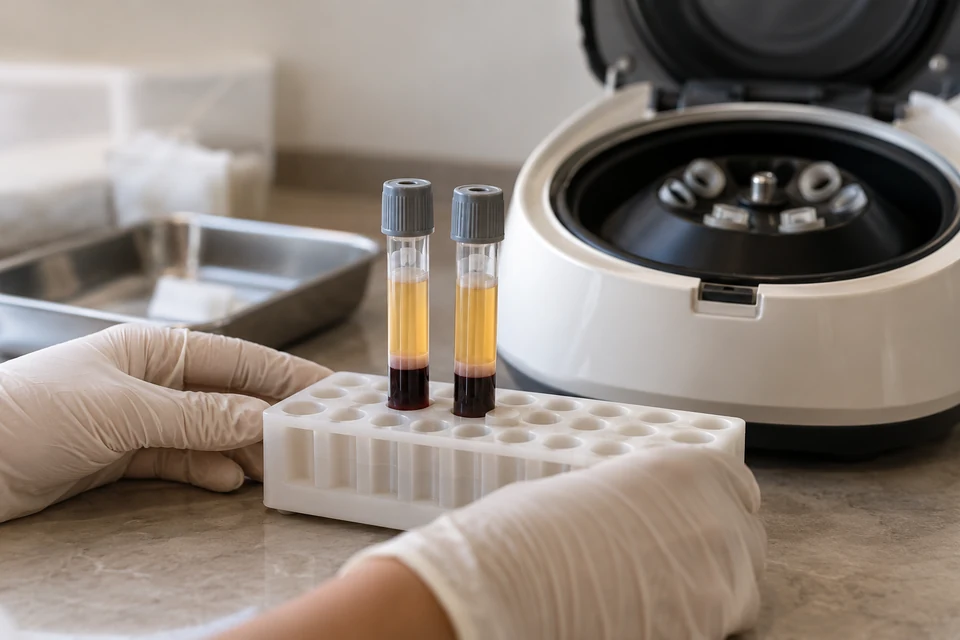
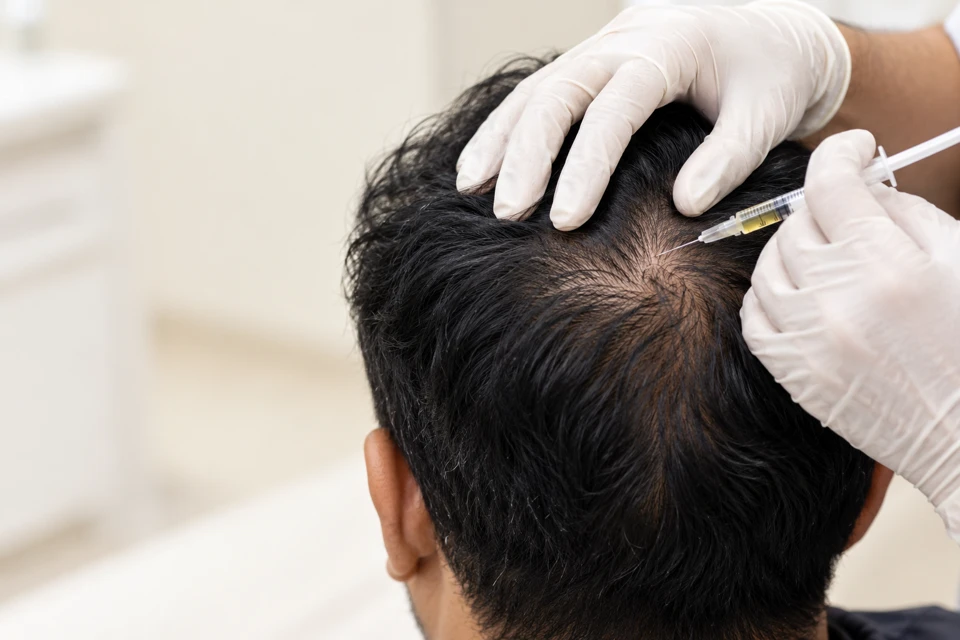
A blood sample is processed to separate a platelet-rich component, which is injected into the scalp under a planned protocol.
Review progress
Agree on review appointments and how photographs or measurements will be compared before committing to further sessions.
What PRP is intended to influence
The hair shaft is the strand visible above the skin. The follicle is the living structure within the scalp that produces it. Scalp injections are intended to influence activity around existing follicles; they do not repair a strand already outside the skin or manufacture an unlimited supply of new follicles. This is why the pattern of loss matters more than the name of an injection. A sparse area with treatable thinning and an area affected by scarring are not equivalent treatment targets.
Platelets contain signalling proteins involved in the body’s repair responses. PRP concentrates a platelet-containing portion of a blood sample and delivers it to selected scalp areas. The biological rationale is plausible, but the presence of growth factors does not guarantee a visible cosmetic improvement. The preparation method, diagnosis, assessment method and accompanying treatment can differ between studies and between individual plans.
Where it fits among hair-loss options
PRP is commonly discussed in the context of pattern thinning. It should not automatically be used for every episode of shedding, a bald patch or an itchy scalp. Identifying and managing the cause remains central. Options may include a prescribed topical treatment, another medical approach, observation for a temporary shedding condition or cosmetic coverage. These options have different purposes, and an injection is not inherently more suitable because it is performed in a clinic.
A reasoned decision weighs the potential benefit against repeated blood draws, injections, discomfort and continuing expense. If another treatment is working and is tolerable, the additional value of PRP should be clear. Conversely, declining PRP does not mean declining all care. There should be a coherent plan for the diagnosed condition with or without the procedure.
Recovery, ongoing care and cost factors
Preparation includes checking medical history, current medicines and whether the scalp is suitable for injections at that visit. Local tenderness and bruising are different from worsening pain or a concerning skin reaction. Follow the written recovery instructions and contact the treating team if symptoms are outside the expected course. Do not adjust blood-thinning or other prescribed medicines yourself to fit an appointment.
For an Indian clinic quotation, compare the assessment fee, preparation method, treatment area, number of proposed visits, follow-up and possible maintenance. Request a total in rupees with applicable charges clearly identified. A per-session advertisement cannot show the full commitment, and a larger package does not establish better clinical value. Transport, time away from work and the ability to return for review also form part of a realistic budget.
The stages of your care
Before treatment
Diagnosis, medical history, baseline photographs and a plan for reviewing benefit are established before a course is chosen.
Treatment and early recovery
Blood collection, preparation and injections are followed by individual scalp-care instructions. Recovery advice depends on the treatment and your response.
Later review
Hair change is assessed over time using consistent records. Further sessions or maintenance should depend on an informed review rather than an automatic renewal.
Preparing, and looking after yourself afterwards
Before your appointment
- Bring a list of medicines and previous prescriptions. Do not stop prescribed medicine without the treating specialist’s advice.
- Ask about scalp washing, food and drink, and the comfort measures used on the day.
Aftercare and follow-up
- Request written instructions for scalp care, exercise and washing after the appointment.
- Keep the clinic’s contact number and ask which symptoms need an earlier review.
Risks and honest limits
- Injection discomfort, tenderness, swelling or bruising can occur; discuss infection risk and your individual risk factors.
- A response cannot be promised. PRP does not create a new donor supply or replace a diagnosis.
Questions to help you decide
Compare the whole plan
Ask whether PRP would be used alone or alongside another treatment, and what each part is expected to contribute. If several approaches begin together, improvements cannot automatically be attributed to the injections. Record the starting date of each treatment and any change in your routine. This makes later decisions about continuing, simplifying or changing the plan more informed. A package should include a meaningful review point, not just a predetermined number of visits.
Measure a meaningful change
Choose a practical way to compare progress before treatment starts. Photographs should show the same scalp areas with similar lighting, hair length, parting and camera angle. Discuss what would count as worthwhile improvement for you and what would lead to reconsidering treatment. A freshly styled photograph or temporary change in scalp visibility is not enough on its own. Bring previous photographs if they show how the concern has changed over time.
Plan maintenance realistically
PRP is not described by the American Academy of Dermatology as a permanent solution to pattern hair loss. Before starting, understand the possible ongoing time and financial commitment. Ask for the cost of assessment, the proposed course, follow-up and any maintenance separately. If you travel between cities for work, agree how reviews will be arranged. Convenience should support a clinically appropriate plan, rather than determine which injection you receive.
Common questions about PRP hair treatment
Is PRP the same as a hair transplant?
No. PRP is an injection-based treatment. A transplant moves existing follicles from a donor area into another area.
How will I know whether it is helping?
Ask for consistent baseline photographs and a defined review plan, rather than judging progress from daily mirror checks.
Can I choose PRP without a consultation?
An assessment comes first. The specialist should explain why it is being considered and what other approaches may fit your diagnosis.
Does using my own blood mean there are no risks?
No. The blood source does not remove the risks associated with taking blood, processing it and injecting the scalp. Discuss your medical history, comfort measures, sterile handling and how to contact the treating team if recovery differs from the instructions you receive.
What if I see no useful improvement?
Agree in advance when the response will be reviewed. The next step may involve reassessing the diagnosis, checking the consistency of other treatments or discussing a different approach. More injections should not be assumed to be the answer without that review.
Sources and further reading
General patient information. Your treating clinician should confirm which advice applies to you.