Understanding pigmentation & melasma
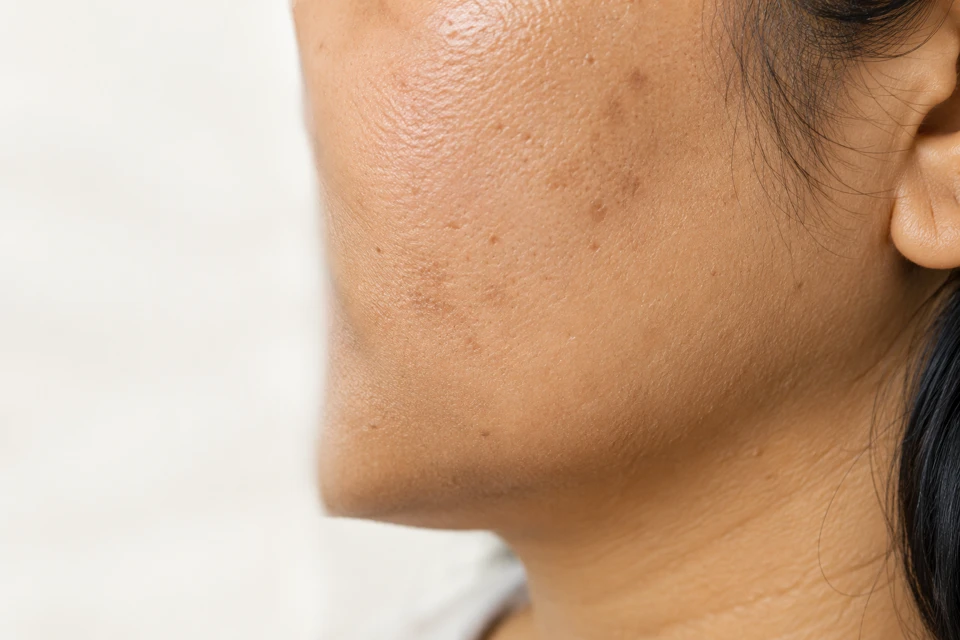
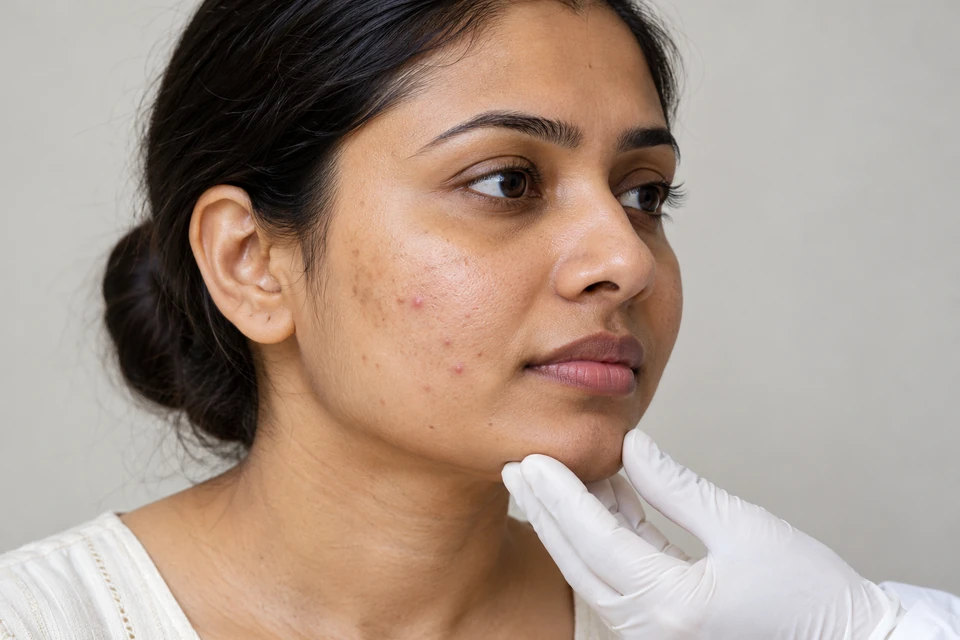
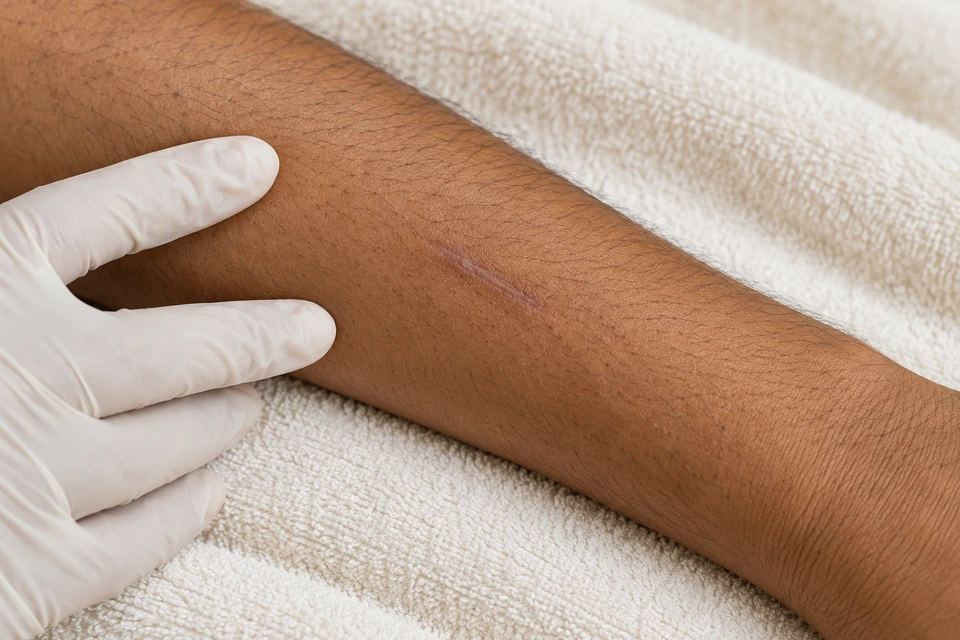
Pigmentation is a description of colour change, not a single diagnosis. Dark patches after acne, melasma and isolated sun-related spots can look similar in a photograph yet need different management. Location, timing, symptoms and previous product use help guide assessment. A changing or unusual lesion should be assessed before cosmetic treatment is considered. The first appointment is therefore an opportunity to understand what the colour change represents, rather than choose a peel or laser purely from an online image.
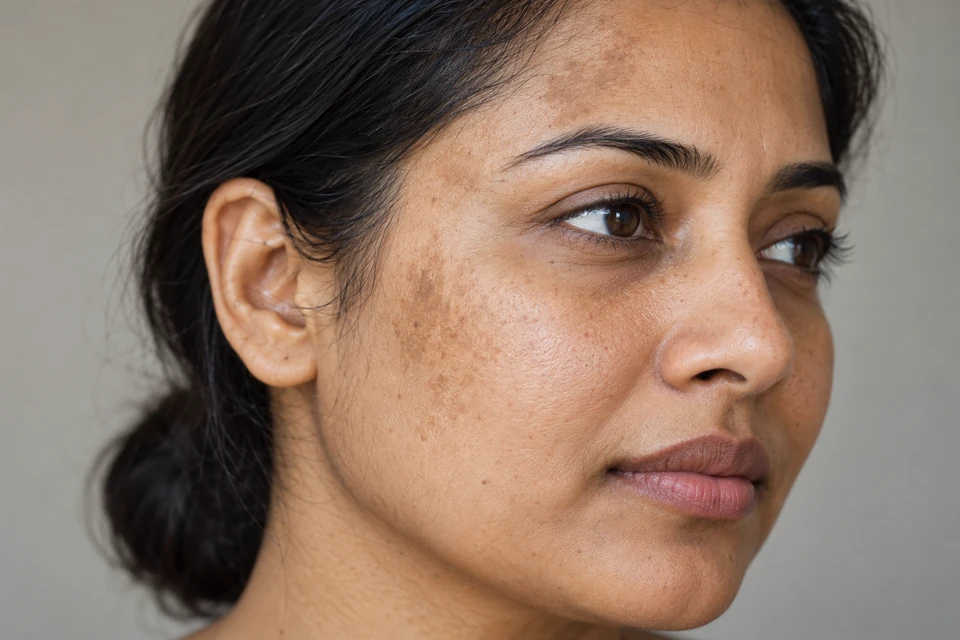
For melasma, treatment often involves ongoing management rather than a one-time removal. Sunlight and, for some people, visible light can contribute to the appearance of patches. The American Academy of Dermatology discusses tinted sunscreen containing iron oxide as one option for melasma protection. The appropriate routine should fit your skin and exposure. The objective is to manage an identified concern while respecting your natural skin colour; this page does not promote whitening, fairness or a promise of permanently uniform skin.
Could this be right for you?
Who it may suit
- People with persistent patches or marks who want a diagnosis before buying products or procedures.
- People with melasma should discuss triggers and maintenance as well as initial treatment.
What your assessment should cover
- Describe when the pigment appeared, products used, pregnancy or hormonal changes, and previous procedure reactions.
- Ask whether the concern is melasma, post-inflammatory pigmentation or another diagnosis.
How the care pathway works
Identify the pattern
The specialist examines the distribution and history of pigment changes before discussing treatment.
Build the foundation
Sun protection and suitable prescribed skin care may form the first part of a plan.
Consider procedures selectively
A procedure is not automatically the next step. Ask why it is appropriate for your skin and what could worsen pigmentation.
What the pattern can tell us
Melanin is the pigment that contributes to skin colour. Pigment-producing cells can become more active after inflammation or with certain hormonal and light-related triggers. A patch may therefore represent an ongoing condition or the visible trace of a previous problem. Treating a mark while acne or irritation continues can mean new marks keep appearing even as older ones fade.
Melasma commonly produces broad patches, while post-inflammatory marks often follow the shape and position of previous spots or irritation. These are clues rather than a diagnosis from a photograph. An isolated changing spot needs its own assessment; it should not simply be included in a general brightening treatment.
Why plans often start with topical care
A topical plan works on the affected skin over time. Depending on the diagnosis, prescription ingredients may reduce pigment formation or support skin turnover. The choice must account for sensitivity, other products, pregnancy and previous reactions. A combination that was prescribed for someone else is not an interchangeable cosmetic cream.
Peels and energy-based treatments have different targets and recovery demands. They are possible additions for selected concerns, not proof of a better plan. When the diagnosis is melasma, an overly irritating approach can undermine the objective. A useful sequence gives the initial routine time to work before deciding whether another intervention offers enough benefit.
Protection that fits an Indian working day
For someone travelling to work, walking between buildings or attending outdoor functions, the practical question is how protection will remain usable throughout the day. Keep a suitable sunscreen where it will be remembered, and plan shade or a hat for prolonged exposure. A comfortable texture and a tint that suits your complexion can make regular use easier.
Tinted sunscreen containing iron oxides can help with visible-light protection in melasma. This complements broad-spectrum sun protection; it does not turn a cosmetic product into a cure. A rainy or cloudy day is not a reliable reason to abandon the protection agreed for a pigmentation plan.
Judge progress without chasing a stronger procedure
Compare the same area in similar lighting and without changing camera filters. Record whether the skin is comfortable as well as whether the colour is changing. A routine that repeatedly causes stinging, peeling or new darkening needs review rather than an automatic increase in strength.
A cost estimate is more useful when it separates the diagnostic visit, prescription or home-care products, optional procedures and maintenance. Someone managing recurring melasma may value a sustainable routine more than a short intensive course. Set a review point before buying multiple sessions, and clarify what would make the plan change.
The stages of your care
Assessment and baseline
Identify the likely cause and document the starting pattern before adding procedures.
Initial care over weeks to months
Pigment improvement is gradual. The review interval depends on the diagnosis, chosen treatment and skin tolerance; a fixed clearing date would be misleading.
Ongoing maintenance
Melasma can recur. Protection and a manageable maintenance plan may continue after the initial improvement.
Preparing, and looking after yourself afterwards
Before your appointment
- Bring product names or photographs of labels, especially combination creams.
- Tell the specialist about previous irritation, light patches, darkening or skin sensitivity.
Aftercare and follow-up
- Follow the agreed sun-protection and skin-care plan consistently.
- Review irritation or new darkening with the clinician instead of adding stronger products yourself.
Risks and honest limits
- Melasma can recur and may need ongoing management.
- Some procedures or irritating products can worsen pigment changes; no universal fairness or permanent-clearance promise is appropriate.
Questions to help you decide
Build a routine you can maintain
Bring the products you already use, or photographs of their labels, including creams bought without a prescription. Write down anything that caused burning, peeling or new darkening. A useful plan explains which products to continue, introduce or stop and the order of use. Avoid assuming that more active ingredients will produce faster progress. For a busy commute or outdoor work, ask how the recommended protection can fit your day in a practical way.
Understand why a procedure is proposed
If a peel, laser or other procedure is discussed, ask which diagnosis it targets and why it is appropriate for your skin and history. The discussion should cover the possibility of irritation or unwanted colour change, expected recovery and alternatives. Ask whether a cautious staged approach or test area is relevant. A procedure should have a specific purpose within the plan, not be included automatically because a pigmentation package contains several treatments.
Separate improvement from maintenance
Agree which area will be photographed and how changes will be compared. Similar lighting matters because shadows, exposure and makeup can make pigmentation appear very different. Ask what improvement is realistic, when the plan will be reviewed and what maintenance may still be required. If patches recur, the response should be reassessed rather than assuming a stronger treatment is always appropriate. Bring your main concern into the discussion, including the effort and expense you can sustain.
Common questions about pigmentation & melasma
Is every dark patch melasma?
No. The pattern and history need assessment before treatment is selected.
Will a laser permanently remove melasma?
A permanent result cannot be promised. Ask about recurrence, pigment risks and whether a procedure is needed at all.
Is the aim to lighten my natural skin colour?
No. The focus is the diagnosed concern and a more even appearance while respecting your natural skin tone.
Does every dark patch need a laser?
No. The diagnosis determines which approaches are appropriate. Some concerns may be managed with topical treatment and protection, while procedures may be considered selectively. Ask why a laser would add value in your situation and what could happen if you choose another approach.
What if a cream makes the area sting or darker?
Seek advice about the product and the skin reaction instead of adding more brightening products. Bring the label and a timeline of the change. Irritation can complicate pigmentation care, so the routine may need to be reviewed before further treatment is considered.
Sources and further reading
General patient information. Your treating clinician should confirm which advice applies to you.