Understanding acne & acne scars
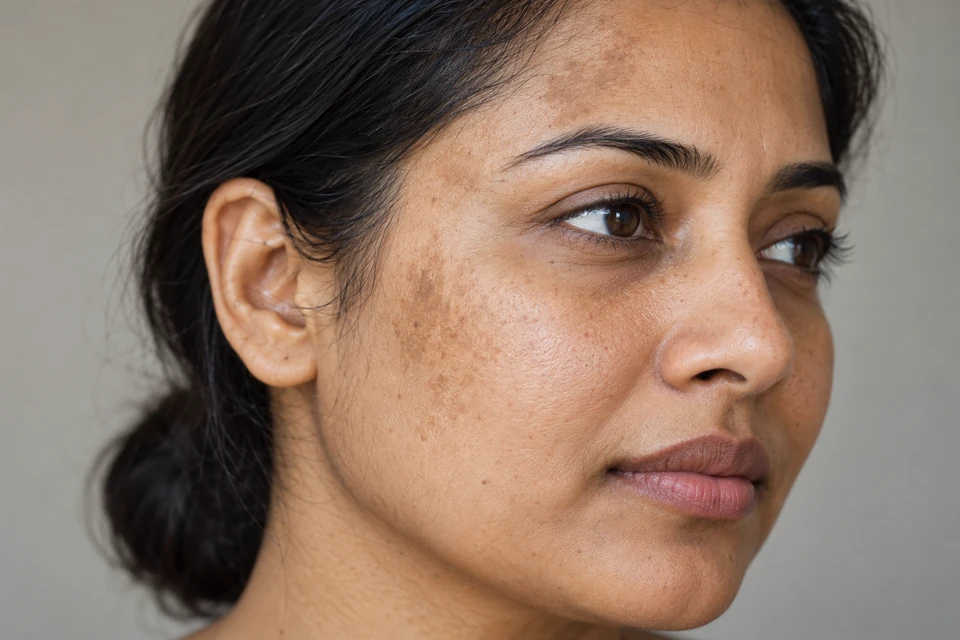
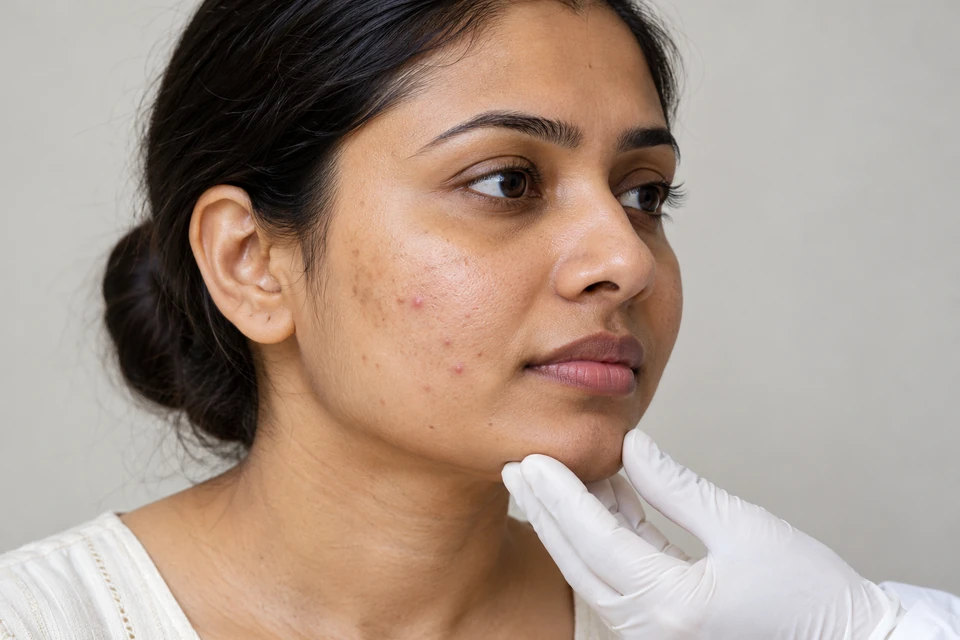
The phrase acne scars is often used for three different concerns: a current breakout, a flat mark after a breakout and a lasting change in skin texture. They can occur together, but they are not interchangeable. A useful consultation identifies each concern before proposing treatment. If your skin feels smooth where the colour has changed, the issue may be a mark rather than an indentation. An examination is needed to confirm the distinction and avoid choosing a procedure for the wrong problem.
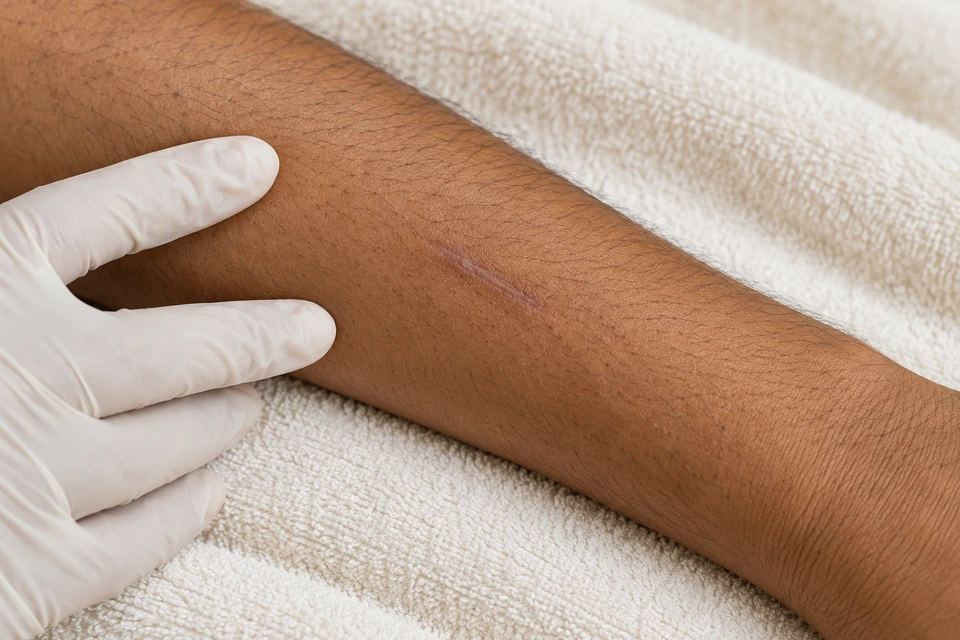
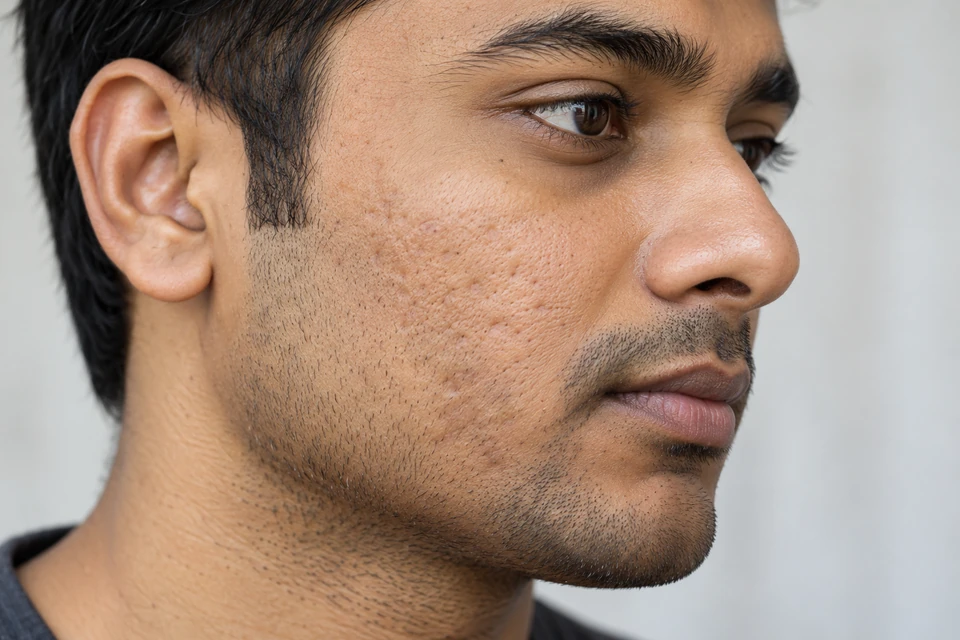
Indented acne scars also vary. Some appear narrow and deep, some have more defined edges and others create a rolling change in the skin surface. Raised scars require a different discussion again. The American Academy of Dermatology explains that scar type helps determine treatment; a combination may be considered when different types coexist. This does not mean that everyone needs several procedures. The priority is to explain which feature each proposed step addresses and how the expected benefit compares with recovery and risk.
Could this be right for you?
Who it may suit
- People with both recurring breakouts and marks or changes in skin texture.
- Those seeking a structured discussion of scar options after acne is controlled.
What your assessment should cover
- Separate your priorities: active spots, colour changes, pits, raised areas or a combination.
- Discuss previous acne medicines, scar procedures and how your skin healed.
How the care pathway works
Control the active concern
Ongoing acne and its triggers need a treatment plan, rather than repeated cosmetic procedures alone.
Map scar types
Different scars can coexist. The specialist should explain which areas need which approach.
Match treatment to texture
Options may include microneedling, resurfacing or other scar procedures. Availability and suitability must be confirmed individually.
Breakouts, marks and scars are three different concerns
Someone may have active pimples, flat brown marks and small depressions on the same cheek. They are often described together as acne scars, but they do not represent the same process. Active acne needs control of new breakouts, pigment marks need appropriate colour-focused care, and structural scars need their own assessment.
This overview helps you decide which part of the problem to discuss first. The dedicated acne page covers ongoing breakouts, while the scar-treatment page explains broader scar care. Treating every visible change with the same laser or peel can overlook the reason each change is there.
Why the shape of an acne scar matters
Depressed acne scars can differ in depth, width and the way they meet the surrounding skin. Some are small and deep; others produce broader unevenness. A person may have several patterns at once. Raised acne scars are another category, particularly when the body forms excess repair tissue.
An examination considers texture and colour separately. The clinician may look at the skin from different angles because shadows influence how deep a depression appears. Your priorities matter too: one area that catches the light may bother you more than several less noticeable scars. A targeted plan should reflect that rather than count all marks as identical units.
Why a combined plan may be staged
Reducing active inflammation helps limit the development of further scars. After that, a procedure may be selected for a particular texture problem. Depending on the scar, clinical options can include resurfacing, needling, treatment to release or lift a depression, or a volume-restoring approach. No one method addresses every pattern equally.
Combining methods does not mean doing everything at one appointment. A staged plan leaves room to assess healing, tolerance and the value of the first step. In darker skin tones, unwanted pigmentation is an important part of procedure selection. The technique, settings, preparation and aftercare all contribute to the risk discussion.
What improvement should mean in daily life
The goal is usually less noticeable texture and a more even appearance, rather than skin that has never had acne. Looking at photographs in the same lighting helps prevent an immediate post-treatment change from being mistaken for a settled result. Skin recovery and longer-term remodelling do not follow the same timetable.
Budget separately for active acne care, pigment care and scar procedures. An estimate that names the problem targeted at each stage is easier to judge than a single total for an acne package. Time away from social events, makeup restrictions and follow-up access should also be clear before you decide whether a proposed sequence fits your life.
The stages of your care
First stage
Identify active acne, residual colour changes and structural scars separately; decide the order of care.
Procedure and recovery stage
When a scar procedure is appropriate, preparation and recovery depend on the method. The next treatment should reflect healing and response, not only a prepaid schedule.
Later assessment
Judge the settled texture after sufficient recovery. More improvement may be possible, but complete scar removal should not be promised.
Preparing, and looking after yourself afterwards
Before your appointment
- Share current prescriptions and skin products, including any recent isotretinoin use.
- Ask for preparation instructions specific to the planned procedure.
Aftercare and follow-up
- Use the recommended gentle aftercare and sun protection.
- Ask when makeup, exercise and usual skin-care products can be resumed.
Risks and honest limits
- Complete scar removal is not a realistic promise.
- Colour changes and texture may respond differently, and multiple approaches may be discussed.
Questions to help you decide
Choose the right starting point
If new breakouts are still appearing, use the acne treatment guide to prepare questions about controlling active disease. If flat dark marks are the main concern, the pigmentation guide explains why diagnosis and routine care matter. For an established change in texture, the scar treatment guide provides more detail about assessment and recovery. These pages support one coordinated conversation; they are not separate packages that everyone needs to buy to complete their care.
Set a specific texture goal
Identify the area and feature that bother you most rather than asking for perfectly smooth skin everywhere. Ask whether the recommendation aims to soften a depression, address a raised area or improve colour. Discuss what is likely to remain visible and how much recovery you can manage. A comparison photograph should show similar lighting because side lighting can exaggerate texture and front lighting can hide it. Treatment decisions should not depend on unusually flattering photographs.
Make staged treatment understandable
When a sequence is proposed, request a simple explanation of the order, the review point after each stage and the reason for combining methods. Ask whether further treatment is conditional on the response rather than automatically required. Discuss previous acne medicines and procedures, your tendency to develop pigmentation and any history of raised scars. These details help shape an individual plan and a realistic budget instead of treating every acne scar as the same condition.
Common questions about acne & acne scars
Can a facial remove deep acne scars?
A facial does not replace assessment and treatment of depressed or raised scars.
Why might more than one approach be suggested?
Different scar shapes can require different methods. Ask what each proposed step is intended to improve.
Will I need to continue acne treatment?
Discuss how to prevent further breakouts and new scarring while existing scars are treated.
Will treating the marks also smooth the scars?
Not necessarily. A flat colour change and a depression involve different features of the skin. Some people need separate goals for colour and texture, while others need only one concern addressed. Ask the clinician to show which changes are present in your case.
Can I choose a procedure from a before-and-after photo?
Photographs can help explain a treatment, but another person may have different scar types, skin characteristics and ongoing acne. Use the image to describe your goal, then ask how your assessment changes the recommendation and how your own outcome will be documented.
Sources and further reading
General patient information. Your treating clinician should confirm which advice applies to you.